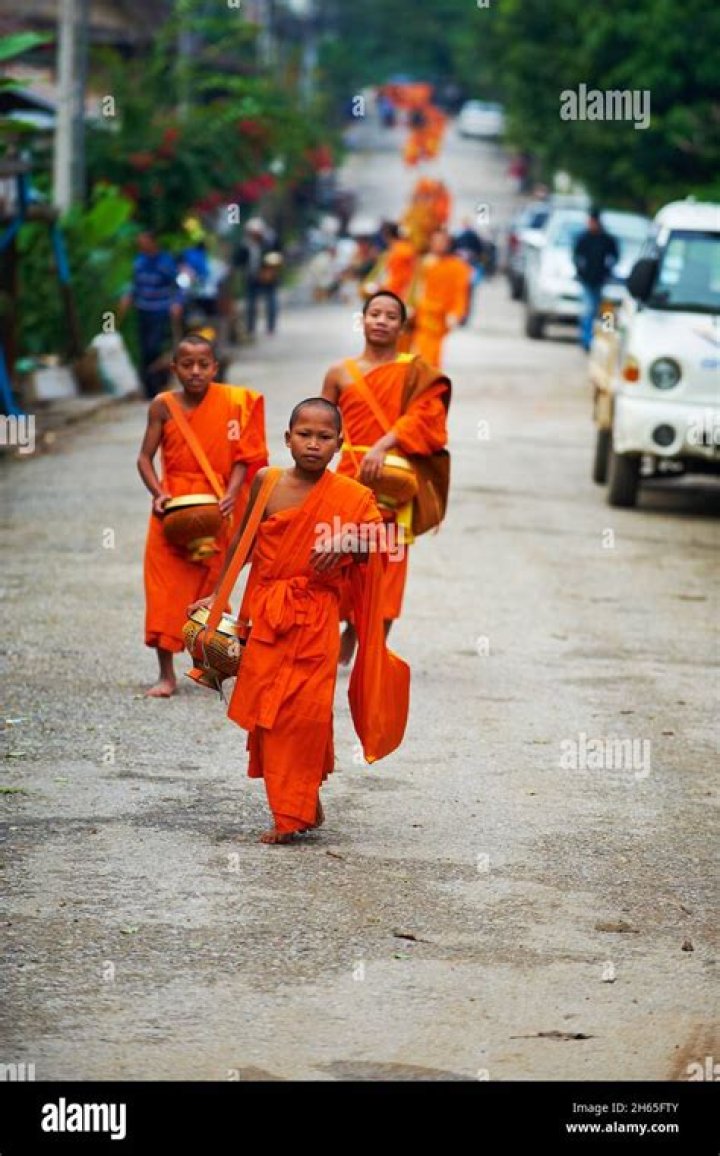
Likewise, people ask, why is it important to learn culture and traditions?
It can help you avoid misunderstanding and embarrassment. This is a valuable skill not only in the workplace but also in daily life. Secondly, learning other cultures can broaden your horizons. It is a good way to absorb new information, and view things from different perspectives.
Furthermore, what can learning about different cultures teach us? By learning and understanding different cultures you understand why people do things the way they do. When you identify with other people, you sympathize with their situation. This facilitates understanding and prevents misunderstandings.
Keeping this in view, why is learning about culture important?
Culture is a strong part of people's lives. It influences their views, their values, their humor, their hopes, their loyalties, and their worries and fears. So when you are working with people and building relationships with them, it helps to have some perspective and understanding of their cultures.
Why is it important for students to learn about other cultures?
Learning about other cultures can dispel the fears and misunderstandings students may have about another culture and can lead to a reduction in bullying. Learning about how the world celebrates special occasions gives students the opportunity to reach out and understand the world they live in just a little better.
Related Question Answers
What can we learn from traditions?
Tradition contributes a sense of comfort and belonging. It brings families together and enables people to reconnect with friends. Tradition reinforces values such as freedom, faith, integrity, a good education, personal responsibility, a strong work ethic, and the value of being selfless.Why is culture so important?
In addition to its intrinsic value, culture provides important social and economic benefits. With improved learning and health, increased tolerance, and opportunities to come together with others, culture enhances our quality of life and increases overall well-being for both individuals and communities.Why is it important to respect other cultures and traditions?
Different cultures benefit lots of people, and should be respected. This is because: Different culture means different approaches to fundamental ideas in your society. A different group might be able to help your community learn something new.Why is it important to know other cultures?
Understanding different cultures allows you to be more open, accepting, and tolerant of other people. Understanding different cultures is more than having an appreciation for our differences, but paving the way for a new world where we all stand together.What are 5 different cultures?
These 5 cultures from around the world are some of the most interesting:- Huli – Papua New Guinea. The Huli are one of the most famous tribes on Papua New Guinea, an island in Oceania that is home to hundreds of unique traditional tribes.
- Kazakhs – Kazakhstan.
- Rabari – India.
- Loba – Nepal.
- Gaúchos – South America.
How do you understand culture?
Culture consists of the shared beliefs, values, and assumptions of a group of people who learn from one another and teach to others that their behaviors, attitudes, and perspectives are the correct ways to think, act, and feel.How can we improve our learning culture?
Here are 9 actionable ways to develop a culture of learning in your workplace:- Make Learning A Core Organizational Value.
- Develop Personalized Learning Plans.
- Give Personalized Career Coaching.
- Lead By Example.
- Provide The Right Rewards.
- Have The Right Learning Environment.
- Encourage Knowledge Sharing.